
Polished concrete is a versatile and durable flooring solution that has gained popularity in both commercial and residential spaces. With its sleek, modern look and low-maintenance nature, it’s no wonder many property owners are considering it for their interiors. But can it be effectively used in both types of spaces? In this blog, JLR Contracts will explore the suitability of polished concrete for different environments, considering factors like aesthetics, functionality, and cost. Whether you’re a homeowner or a business owner, understanding the benefits of polished concrete for your specific needs can help you make a well-informed decision.
Polished concrete is a refined concrete surface that has been mechanically ground, honed, and polished to create a smooth, shiny finish. The process involves several stages, including grinding the surface, applying a densifier to harden the concrete, and polishing with progressively finer diamond abrasives. After the final polishing, a sealer is applied to protect the surface and enhance its shine. The result is a high-gloss, durable finish that is both functional and visually appealing. The installation process can be completed in both new and existing concrete floors, making it a versatile option for a wide range of spaces. It is important to note that the quality of the final finish depends on the initial concrete slab’s condition and the level of polishing. For residential properties, it’s often best to install polished concrete during new construction or major renovations to ensure a flawless surface. In commercial spaces, existing floors can typically be polished to restore their appearance and add a modern touch.
Polished concrete is increasingly becoming the flooring of choice for many commercial spaces due to its numerous advantages. One of the primary benefits is its durability. Commercial spaces such as retail stores, warehouses, and office buildings experience high foot traffic, and polished concrete can withstand the wear and tear that comes with constant movement. This flooring option is also highly resistant to stains and spills, which is especially beneficial in places like restaurants or cafes. Furthermore, polished concrete offers low maintenance costs compared to other flooring options. It doesn’t require frequent cleaning, and the surface is highly resistant to dirt and dust, making it ideal for commercial properties that require a high level of hygiene. Another significant advantage is its aesthetic versatility. Polished concrete can be customised with different colours and finishes, allowing businesses to create a unique and professional look that suits their branding and style. Additionally, polished concrete can improve lighting in commercial spaces by reflecting natural light, reducing the need for artificial lighting during the day.
Polished concrete is an increasingly popular choice for residential properties due to its combination of functionality and modern appeal. One of the main reasons homeowners opt for polished concrete is its sleek, minimalist look. The reflective surface adds a sophisticated touch to living spaces, making it a great choice for contemporary homes, especially those with open-plan layouts. Additionally, polished concrete is highly durable, making it a practical option for areas like kitchens, living rooms, and hallways, where heavy foot traffic is common. Unlike carpet or wood, polished concrete won’t absorb stains, which makes it ideal for homes with children or pets. The low maintenance required is another key benefit for homeowners—sweeping and occasional mopping is all that’s needed to maintain the finish. Beyond its durability, polished concrete has excellent thermal mass properties, meaning it can store and radiate heat. In colder climates, this can help regulate the temperature within the home, reducing energy costs. Furthermore, its seamless surface means that there are no grout lines, making it easier to clean and maintain. For those seeking a sustainable flooring option, polished concrete is an eco-friendly choice as it can often be installed over existing concrete without the need for new materials.
One of the standout features of polished concrete is its design flexibility, making it an excellent choice for both commercial and residential applications. With a variety of colours, patterns, and finishes available, polished concrete can be tailored to suit any design style. Whether you’re looking for a sleek, modern finish for a commercial office or a more decorative touch for a home, polished concrete can be customised to fit your vision. For example, decorative aggregates like glass, marble, or quartz can be added during the polishing process to create a unique, speckled effect. Additionally, the level of polish can range from a matte to a high-gloss finish, giving you the flexibility to select the right amount of shine for your space. The colour of the concrete itself can also be altered with stains or dyes, allowing for a broad range of hues that complement any interior design. Moreover, polished concrete can be combined with other flooring types, such as wood or tile, to create interesting contrasts in different zones of a space. The ability to customise this flooring ensures it works in a variety of settings, from industrial-style commercial properties to luxury residential homes.
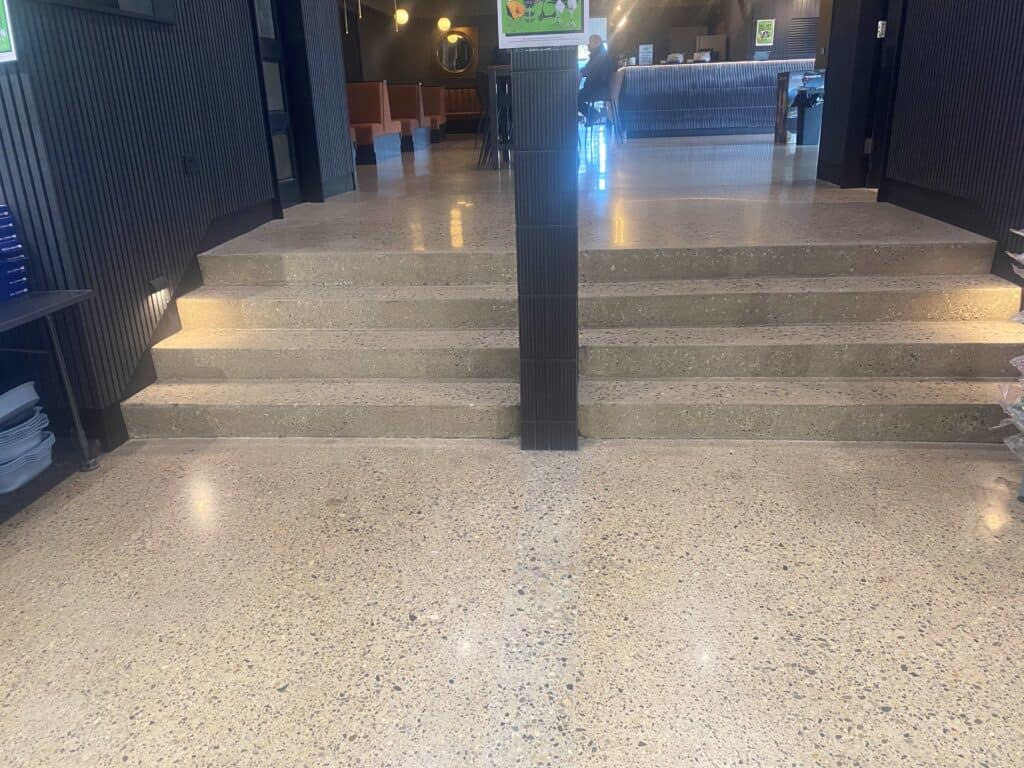
When considering flooring for a property, one of the key factors to evaluate is cost. Polished concrete is often more affordable in the long run compared to other flooring options such as hardwood, tiles, or carpet. While the upfront cost of polished concrete can be higher than some other types of flooring, it’s important to factor in the long-term savings. Polished concrete is highly durable, which means it lasts longer and requires fewer repairs or replacements than wood or carpet, which can wear down more quickly. Additionally, it’s much easier and less expensive to maintain, as regular sweeping and occasional mopping are all that’s needed to keep it in top condition. In terms of installation, polished concrete can be cost-effective because it can often be applied to existing concrete slabs, eliminating the need for additional materials. In contrast, installing hardwood floors or tiling a space can be more expensive due to the cost of materials and installation. Furthermore, polished concrete’s energy efficiency should not be overlooked. Its reflective surface can reduce lighting costs in commercial spaces, and its thermal mass properties can help lower heating and cooling costs in residential properties. Overall, when considering long-term cost savings, polished concrete often proves to be a more economical choice.
Polished concrete is a low-maintenance flooring option, which makes it particularly appealing for both commercial and residential properties. The smooth, sealed surface of polished concrete makes it resistant to dirt, dust, and stains, reducing the amount of time and effort required for cleaning. For both types of spaces, routine maintenance typically involves sweeping or vacuuming to remove dirt and debris, followed by mopping with a neutral pH cleaner to keep the surface shining. In commercial settings, where foot traffic is high, periodic re-polishing may be necessary to maintain the shine and ensure the surface remains free of scuffs or scratches. Residential spaces may not require re-polishing as frequently, but it’s still essential to maintain the finish to preserve the floor’s appearance. In terms of protection, regular cleaning is key to preventing the buildup of dirt or oils, which can affect the floor’s shine. It’s also a good idea to use felt pads on furniture legs and avoid dragging heavy items across the surface to prevent scratches. In both commercial and residential spaces, applying a high-quality sealer is essential to protect the floor from moisture, stains, and other environmental factors that could degrade the finish over time.
Choosing the right polished concrete finish depends on a variety of factors, including the intended use of the space, desired aesthetics, and budget. For residential properties, a high-gloss finish is often preferred for its sleek, modern appearance. This type of finish works well in contemporary homes and can help reflect natural light, making smaller spaces feel more open and airy. If a more subtle, matte finish is desired, it can be achieved with a lower level of polishing, offering a more understated look while still retaining the durability and ease of maintenance that polished concrete is known for. In commercial spaces, the choice of finish often depends on the specific needs of the business. High-traffic areas may benefit from a more durable, high-gloss finish that can withstand wear and tear, while industrial-style businesses may prefer a more matte or satin finish to complement their aesthetic. Additionally, decorative elements like coloured stains or aggregate exposure can be incorporated into the finish to add texture and visual interest. Working with a professional installer is crucial to ensuring the right finish is chosen for the space, as they can provide expert advice on the best options based on the property’s requirements and design goals. For polished concrete floors UK, choose JLR Contracts.